Link to Installing the latest version of Python on Mac OS Catalina and overriding the old default pre-installed version podcast on anchorfm I finally did it. I successfully installed Python version 3.7.7 via Homebrew on my Mac laptop with OS Catalina installed.
Note
Check out our guide for installing Python 3 on OS X.
Mac OS X comes with Python 2.7 out of the box.
You do not need to install or configure anything else to use Python. Having saidthat, I would strongly recommend that you install the tools and librariesdescribed in the next section before you start building Python applications forreal-world use. In particular, you should always install Setuptools, as it makesit much easier for you to install and manage other third-party Python libraries.
The version of Python that ships with OS X is great for learning, but it’s notgood for development. The version shipped with OS X may be out of date from theofficial current Python release,which is considered the stable production version.

Installing Telnet on MacOS by Building Telnet from Source. This was the method I used. There are some prerequisite steps though, if you don’t already have them you’ll need to install the MacOS command line tools. Step 1: Installing the command line tools. Open a terminal and enter the following line, you’ll then be shown a pop up prompt. Catalina (and older versions of macOS) have Python version 2.7 pre-installed. 3.8, however,is the current version. If you want to make the jump, you can find the Python 3.8 folder in Applications. Instructions to install igraph on python2, in your terminal execute these lines: brew install cairo brew install py2cairo brew install igraph. Now this last line above line installs the C-core. Final terminal line is: sudo pip install python-igraph. The above line installs igraph for python2, note these lines take about 2 minutes to complete.

Doing it Right
Let’s install a real version of Python.
Before installing Python, you’ll need to install a C compiler. The fastest wayis to install the Xcode Command Line Tools by runningxcode-select--install. You can also download the full version ofXcode from the Mac App Store, or theminimal but unofficialOSX-GCC-Installerpackage.
Note
If you already have Xcode installed, do not install OSX-GCC-Installer.In combination, the software can cause issues that are difficult todiagnose.
Note
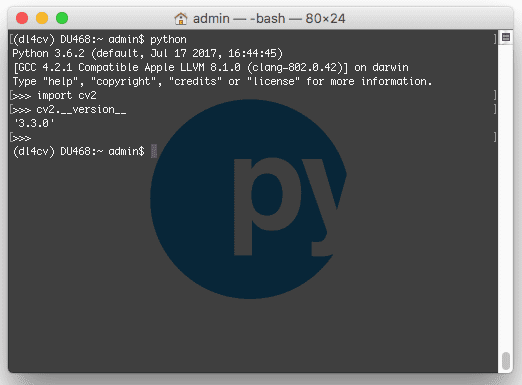
Is Python Already Installed On Mac
If you perform a fresh install of Xcode, you will also need to add thecommandline tools by running xcode-select--install on the terminal.
Install Python On Mac Catalina Download
While OS X comes with a large number of Unix utilities, those familiar withLinux systems will notice one key component missing: a decent package manager.Homebrew fills this void.

To install Homebrew, open Terminal oryour favorite OS X terminal emulator and run
The script will explain what changes it will make and prompt you before theinstallation begins.Once you’ve installed Homebrew, insert the Homebrew directory at the topof your PATH environment variable. You can do this by adding the followingline at the bottom of your ~/.profile file
Now, we can install Python 2.7:

Because python@2 is a “keg”, we need to update our PATH again, to point at our new installation:
Homebrew names the executable python2 so that you can still run the system Python via the executable python.
Install Python On Mac Catalina Free
Setuptools & Pip
Homebrew installs Setuptools and pip for you.
Setuptools enables you to download and install any compliant Pythonsoftware over a network (usually the Internet) with a single command(easy_install). It also enables you to add this network installationcapability to your own Python software with very little work.
pip is a tool for easily installing and managing Python packages,that is recommended over easy_install. It is superior to easy_installin several ways,and is actively maintained.
Virtual Environments
Install Python 2.7 Mac Catalina
A Virtual Environment (commonly referred to as a ‘virtualenv’) is a tool to keep the dependencies required by different projectsin separate places, by creating virtual Python environments for them. It solves the“Project X depends on version 1.x but, Project Y needs 4.x” dilemma, and keepsyour global site-packages directory clean and manageable.
For example, you can work on a project which requires Django 1.10 while alsomaintaining a project which requires Django 1.8.
To start using this and see more information: Virtual Environments docs.
This page is a remixed version of another guide,which is available under the same license.